
Exploring Northern Home Improvement Ideas for Energy Efficiency, this introduction delves into specific projects tailored for colder regions. It highlights the importance of energy efficiency in Northern homes and how upgrades can lead to cost savings and environmental benefits.
Detailing insulation upgrades, window and door replacements, and heating system improvements, this overview sets the stage for enhancing energy efficiency in homes located in colder climates.
Northern Home Improvement Ideas for Energy Efficiency
When it comes to Northern home improvement projects, focusing on energy efficiency is crucial to ensure comfort, cost savings, and environmental sustainability. By implementing specific upgrades tailored for colder climates, homeowners can reduce their heating costs and contribute to a greener planet.
Insulation and Air Sealing
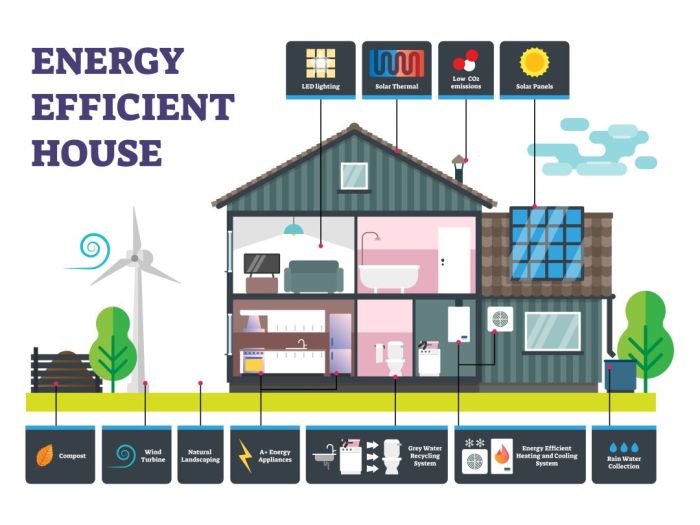
One of the most effective ways to improve energy efficiency in Northern homes is by enhancing insulation and air sealing. By properly insulating attics, walls, and floors, as well as sealing any air leaks, homeowners can prevent heat loss and reduce the workload on their heating systems.
Energy-Efficient Windows and Doors
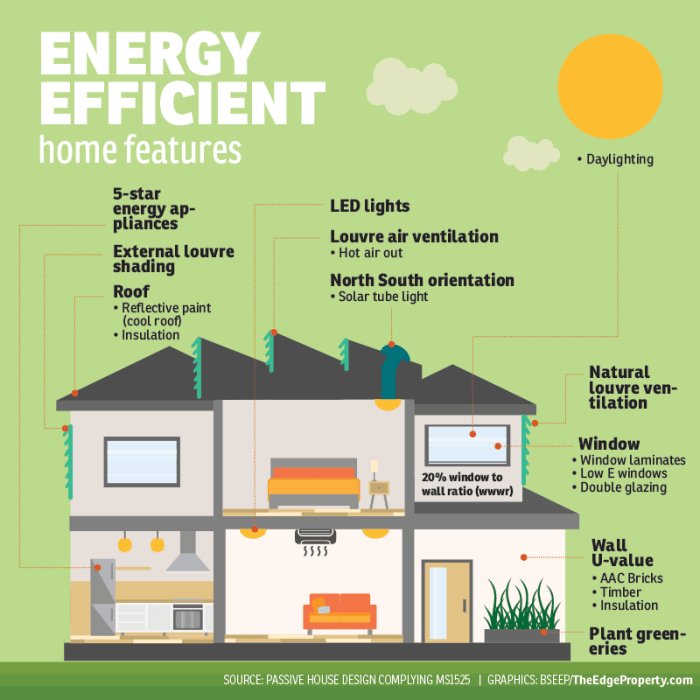
Upgrading to energy-efficient windows and doors can also make a significant impact on a home's energy consumption. By choosing windows with multiple panes, low-emissivity coatings, and insulated frames, homeowners can minimize heat transfer and improve overall insulation.
High-Efficiency Heating Systems
Investing in high-efficiency heating systems, such as heat pumps or condensing boilers, can further enhance energy efficiency in Northern homes. These systems are designed to provide optimal heating while consuming less energy, resulting in lower heating costs and reduced environmental impact.
Programmable Thermostats
Installing programmable thermostats allows homeowners to regulate their home's temperature more efficiently, adjusting it based on occupancy and daily routines. By optimizing heating schedules, homeowners can avoid unnecessary energy consumption and maximize comfort.
Renewable Energy Sources
Implementing renewable energy sources, such as solar panels or geothermal heating systems, can also help Northern homeowners reduce their reliance on traditional energy sources. By generating clean energy on-site, homeowners can lower their carbon footprint and decrease their utility bills in the long run.
Insulation Upgrades
Insulation upgrades play a crucial role in enhancing the energy efficiency of homes, especially in Northern climates where extreme temperatures are common. By choosing the right type of insulation and ensuring proper installation, homeowners can effectively prevent heat loss and reduce energy consumption.
Types of Insulation Suitable for Northern Climates
- Spray Foam Insulation: Provides excellent thermal resistance and can fill gaps and cracks.
- Fiberglass Insulation: Cost-effective and widely used, available in batts or rolls.
- Cellulose Insulation: Made from recycled paper and has good fire resistance properties.
- Rigid Foam Insulation: Ideal for areas with limited space, offering high thermal resistance.
Effectiveness of Various Insulation Materials in Retaining Heat
- Spray Foam: Highest R-value per inch, effective in sealing air leaks.
- Fiberglass: Good thermal performance, but proper installation is crucial for optimal effectiveness.
- Cellulose: Provides adequate insulation and is environmentally friendly.
- Rigid Foam: Offers high R-value and moisture resistance, suitable for basements and crawl spaces.
How Proper Insulation Prevents Heat Loss and Improves Energy Efficiency
Proper insulation creates a thermal barrier, reducing heat transfer between the interior and exterior of a home. This helps maintain a consistent indoor temperature, reducing the workload on heating and cooling systems.
Step-by-Step Guide to Upgrade Insulation in Different Areas of a Home
1. Assess current insulation levels and identify areas needing improvement.
2. Choose the appropriate type of insulation based on the specific requirements of each area.
3. Prepare the area by clearing obstacles and ensuring proper ventilation.
4. Install insulation according to manufacturer guidelines, paying attention to gaps and compression.
5. Seal any air leaks or gaps to enhance the effectiveness of the insulation.
Window and Door Replacements
When it comes to improving energy efficiency in Northern homes, replacing windows and doors plays a crucial role. Energy-efficient windows and doors help in maintaining a comfortable temperature inside the house, especially in cold climates where heat loss is a concern.
Double-pane vs. Triple-pane Windows
Double-pane windows have two layers of glass with a space in between filled with insulating gas, providing better insulation compared to single-pane windows. On the other hand, triple-pane windows have an additional layer of glass, offering even higher energy efficiency and noise reduction.
However, triple-pane windows are more expensive than double-pane windows.
Tips for Selecting Energy-Efficient Windows and Doors
- Look for windows and doors with low U-factor and high R-value for better insulation.
- Consider the climate in your region when selecting the type of windows and doors.
- Choose windows and doors with ENERGY STAR certification for guaranteed energy efficiency.
- Opt for high-quality frames made from materials like fiberglass, vinyl, or wood for durability and better insulation.
Weather Stripping for Enhanced Energy Efficiency
Installing weather stripping around windows and doors helps in sealing any gaps or leaks that can lead to heat loss. This simple and cost-effective solution can significantly improve the energy efficiency of your home by preventing cold drafts and reducing the workload on your heating system.
Heating System Improvements
When it comes to modern heating systems suitable for cold climates, one popular option is a high-efficiency furnace. These furnaces are designed to provide consistent warmth while using less energy compared to older models. Another option is a heat pump, which can both heat and cool your home efficiently.
Benefits of Upgrading to Energy-Efficient Heating Systems
- Lower Energy Bills: Energy-efficient heating systems consume less energy, resulting in lower monthly utility bills.
- Reduced Carbon Footprint: By using less energy, these systems help reduce greenhouse gas emissions, contributing to a healthier environment.
- Improved Comfort: Energy-efficient systems provide more consistent heating, ensuring a comfortable indoor environment.
Importance of Regular Maintenance for Optimal Heating Efficiency
Regular maintenance is crucial for optimal heating efficiency as it helps identify and address any issues before they escalate. This can prevent breakdowns, extend the lifespan of your heating system, and ensure it operates at peak performance.
Cost-Benefit Analysis of Switching to a More Energy-Efficient Heating System
While upgrading to a more energy-efficient heating system may involve an initial investment, the long-term benefits often outweigh the costs. Lower energy bills, reduced maintenance expenses, and potential rebates or incentives can make the switch financially rewarding in the long run.
Ending Remarks
In conclusion, implementing these Northern home improvement ideas can not only enhance energy efficiency but also contribute to a more sustainable and comfortable living environment. Take the first step towards a more efficient home today!
FAQ Insights
What are some benefits of energy-efficient upgrades in Northern homes?
Energy-efficient upgrades can lead to reduced heating costs, increased comfort, and a lower carbon footprint in colder climates.
How can weather stripping improve energy efficiency in homes?
Weather stripping helps seal gaps around windows and doors, preventing heat loss and improving overall energy efficiency.
Which insulation materials are most effective for retaining heat in Northern climates?
Materials like spray foam insulation and cellulose insulation are highly effective in retaining heat in colder regions.